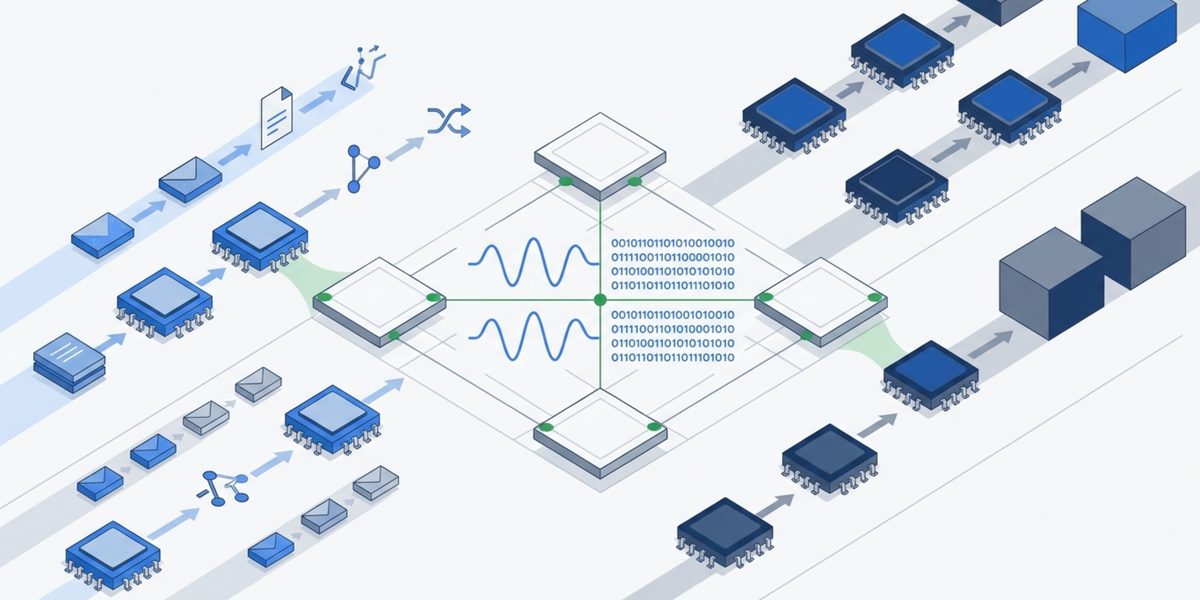
Google's Zero-TIM technique forces bitwise-identical logprobs between separate sampler and trainer paths on 64 TPU v5p chips. It locks kernel accumulation order and standardizes reduction logic to eliminate hidden off-policy gaps caused by floating-point non-associativity in bfloat16.
Worth reading if you are debugging TPU RL instability, but it requires deep Pallas kernel work, not just config changes. It solves a specific numerical execution gap, not the broader complexity of maintaining a decoupled RL stack.


Leave a Reply